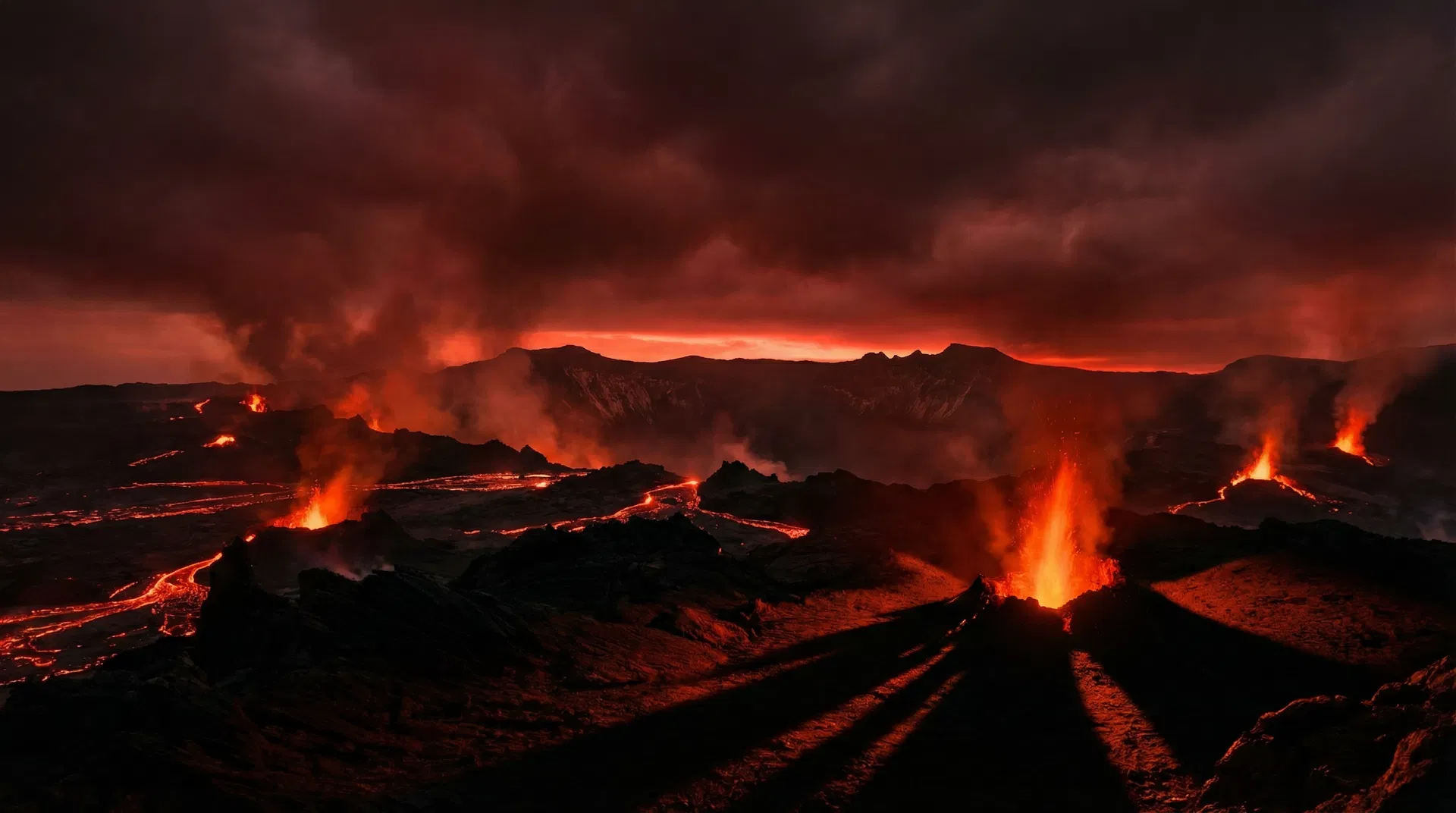

Oni
鬼
"The Oni do not guard the gates of hell out of cruelty — they guard them because no one else is strong enough."
The Horned Guardians
of the Underworld
冥界の角ある守護者
Oni are the demons and ogres of Japanese folklore — towering beings standing taller than trees, with horns sprouting from their heads, wild hair, fangs, and skin in shades of red, blue, or green. They carry iron clubs called kanabo, weapons so heavy that no mortal could lift them, and they inhabit the caves and deep mountains at the edges of the known world.
The word 'oni' originally referred to any supernatural creature — invisible spirits, ghosts, or forces beyond human understanding. Over centuries, the concept crystallized into the horned, muscular figures we recognize today. Some traditions depict them as agents of punishment in Jigoku (Buddhist hell), torturing the souls of the wicked. Others show them as protectors of temples, their terrifying appearance serving to ward off evil rather than embody it.
During the Setsubun festival each February, Japanese families throw roasted soybeans while chanting 'Oni wa soto! Fuku wa uchi!' — 'Demons out! Fortune in!' The ritual acknowledges the Oni's power while asserting humanity's ability to keep chaos at bay. It is a relationship built not on hatred but on respect for forces that exist beyond human control.
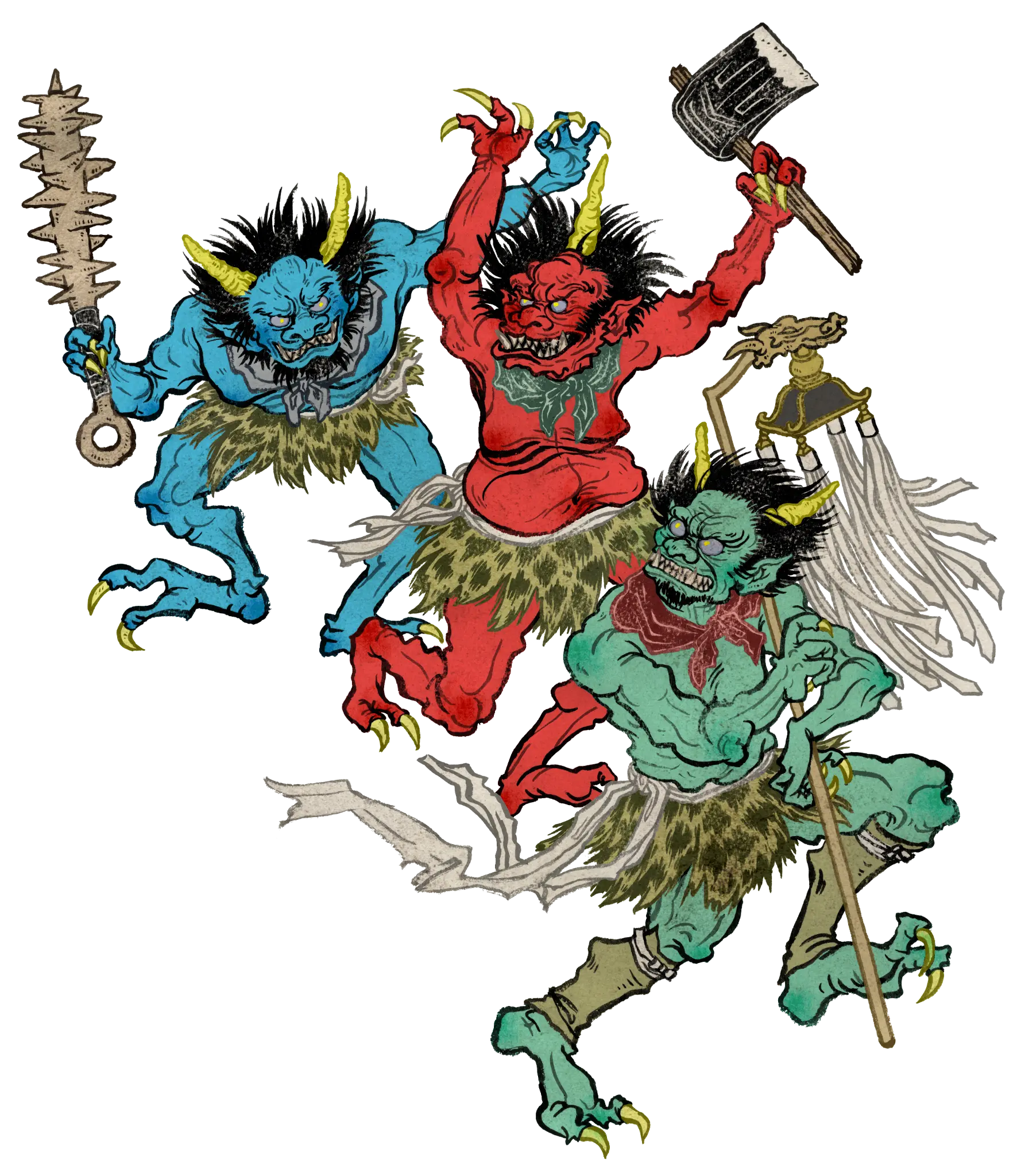
The three Oni — red, blue, and green — represent different aspects of raw power and primal emotion. The red Oni (Aka Oni) embodies rage and desire, the blue Oni (Ao Oni) represents cold fury and resentment, and the green Oni channels envy and the untamed forces of nature. Together, they form a trinity of chaos that tests the boundaries of order.
"The Oni represent raw power, chaos, and the untamed forces of nature. To face an Oni is to face the parts of existence that refuse to be civilized."
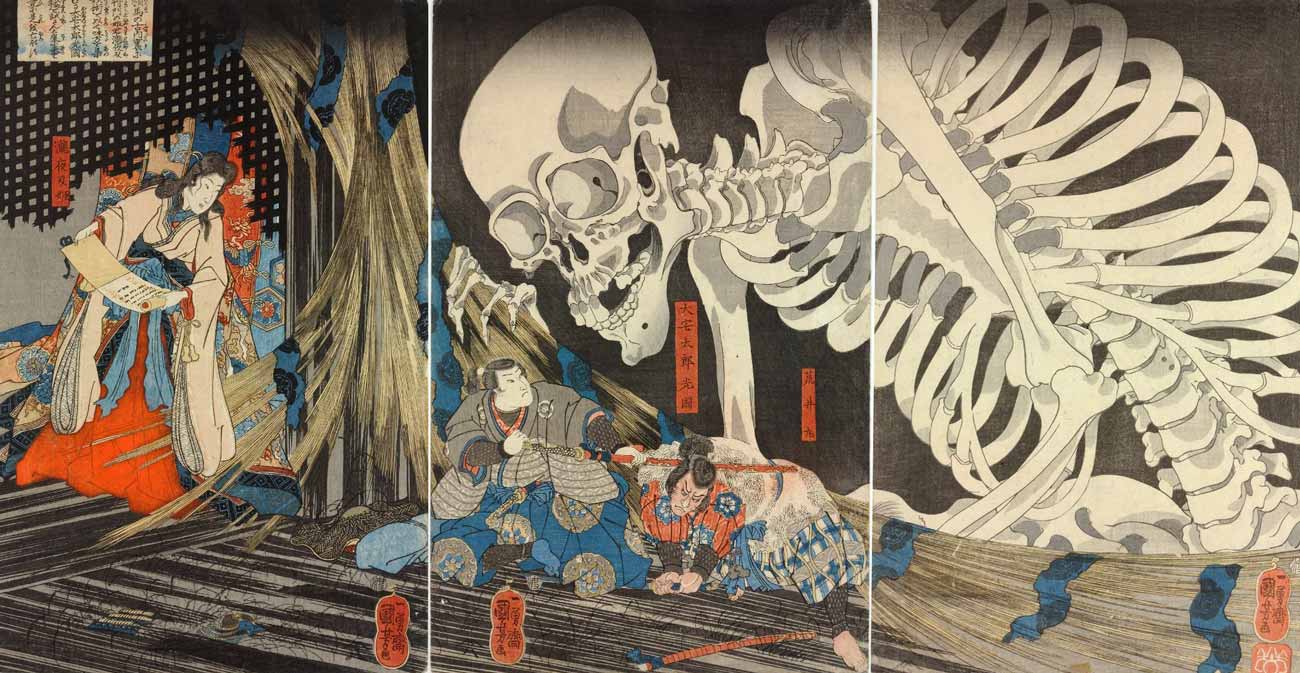
Kuniyoshi — Oni demons, Edo period
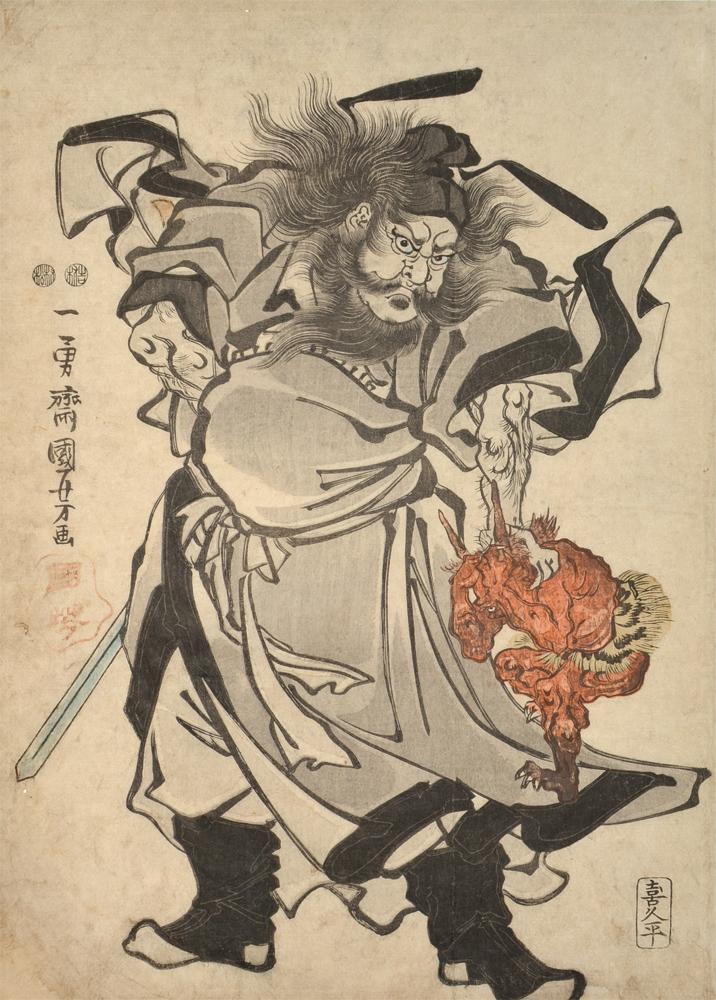
Shoki the Demon Queller — the eternal struggle between order and chaos
Yuko Shimizu
清水裕子 — Illustrator, New York City
For the Oni expression, Shimizu faced a unique challenge: depicting not one but three distinct beings in a single composition that feels unified rather than crowded. She studied the Oni traditions across Japanese art — from the terrifying gate guardians of Buddhist temple paintings to the almost comedic Oni of Setsubun festival illustrations.
Her approach was to capture the three Oni mid-rampage, their bodies intertwined in a spiral of chaotic energy. Each Oni carries its traditional weapon — the spiked kanabo, the iron mallet, and the ceremonial staff — while their expressions range from gleeful menace to cold fury. The composition rotates around a central axis, creating a vortex of color and motion.
The palette is deliberately vivid and clashing — electric blue, fiery red, and jade green — reflecting the Oni's nature as beings that exist outside the rules of harmony. Yet Shimizu's masterful linework holds the chaos together, each horn, claw, and fur-trimmed loincloth rendered with the precision of traditional woodblock printing.
Research & Immersion
Deep study of historical references and folklore texts
Composition & Ink
Translating mythology into dynamic visual composition
Final Illustration
Final hand-inked artwork for the label
"Three Oni, three colors, three kinds of fury — but they had to move as one. The composition needed to feel like a storm with three eyes."
Yuko Shimizu — On the Oni Illustration
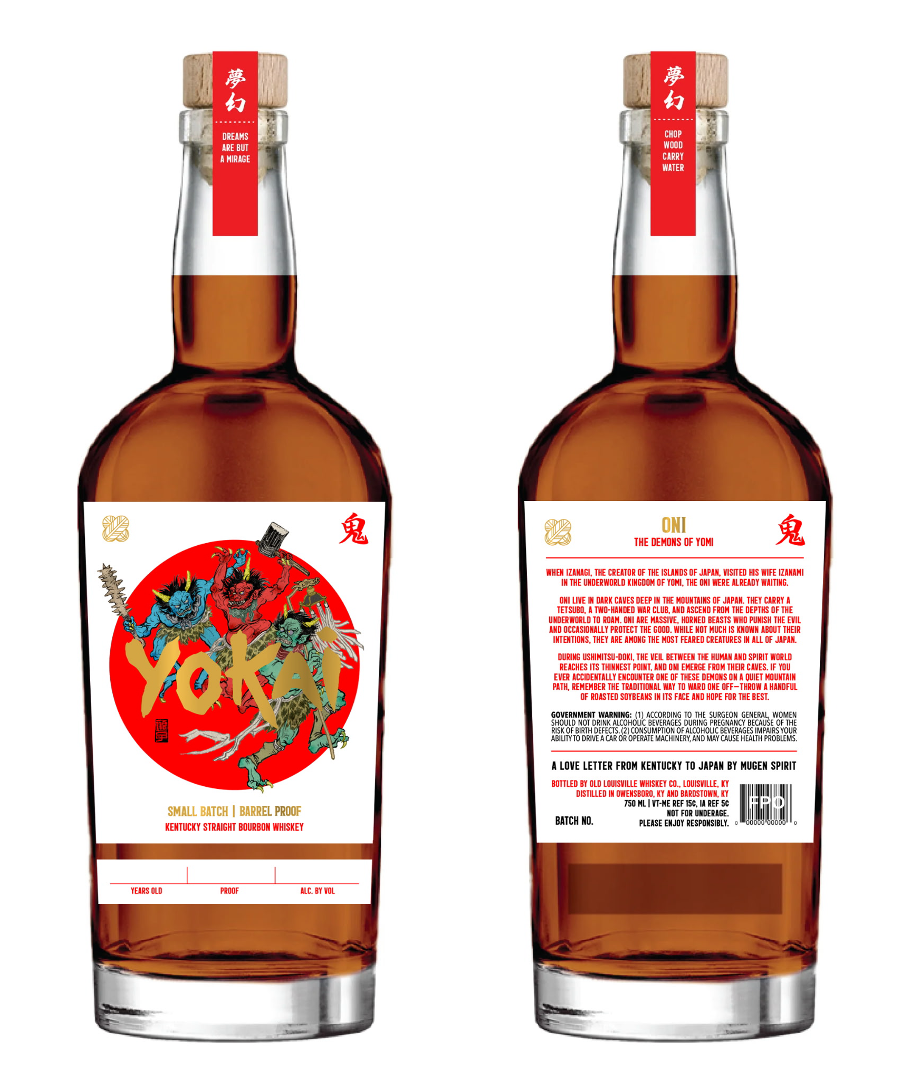
From Chaos to Barrel
The Oni expression represents the raw, untamed side of the Yokai Series — a bourbon selected for its ability to embody the primal power of Japan's most fearsome supernatural beings. Where the Tengu is disciplined and the Kuko is transcendent, the Oni is elemental force distilled into liquid form.
Details of the Oni barrel remain shrouded, much like the caves and mountain depths where the Oni themselves dwell. What is known is that this expression will carry the full weight of the Yokai Series' commitment to single barrel, barrel proof bourbon that refuses to be diluted or diminished.
The Oni do not ask permission. They do not compromise. When this expression arrives, it will demand the same respect that the horned guardians have commanded for centuries — not through subtlety, but through undeniable presence.
"The Oni guard the gates between worlds. This bourbon guards the line between extraordinary and impossible."
Mugen Spirit
Infinite Spirit. Boundless Craft.